Mindful Walking: A Simple Way to Notice the Present Moment
By Daria Zudina · Published November 9, 2026
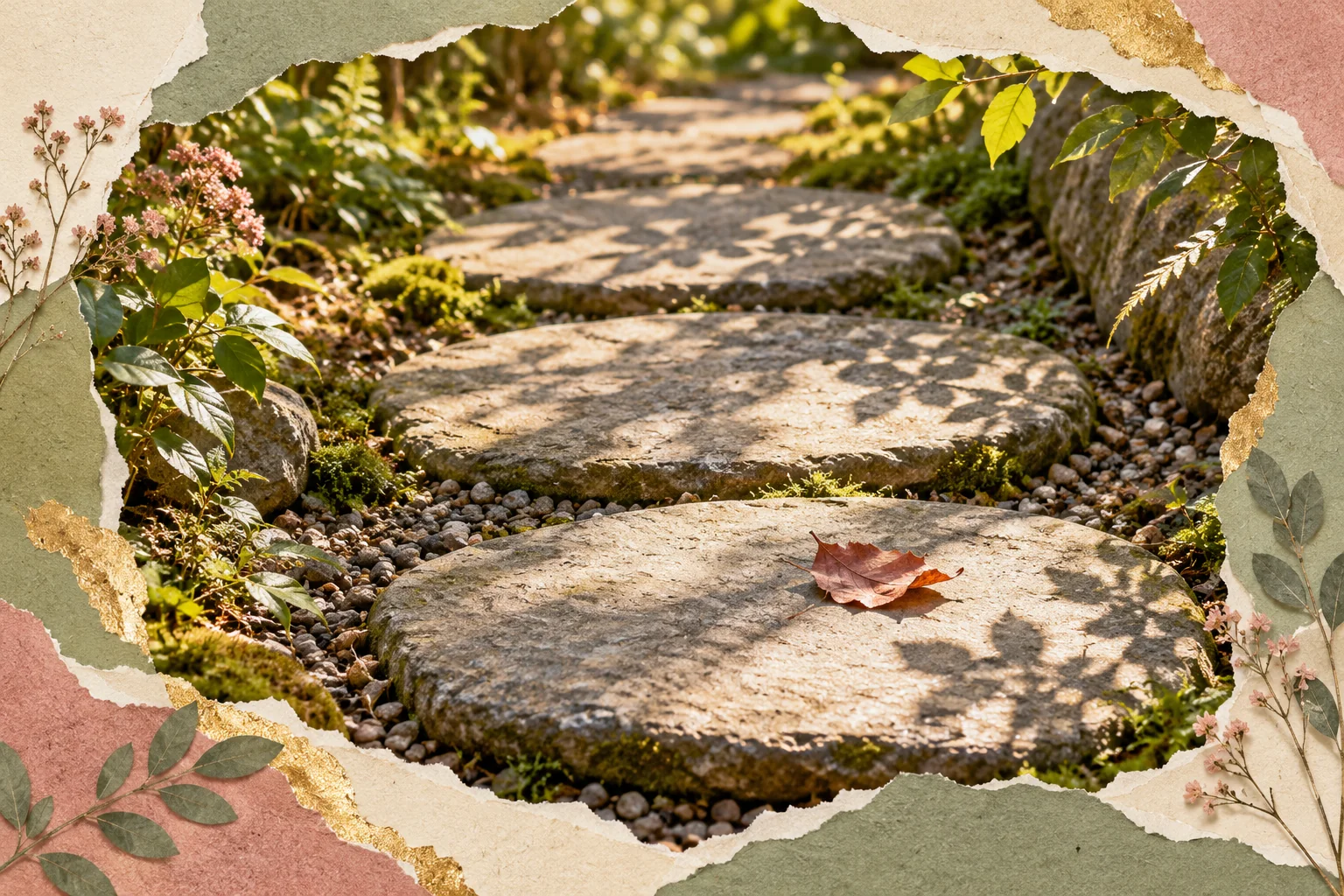
Mindful walking means bringing some attention to the experience of walking and your surroundings, rather than treating the walk only as a route to somewhere else. Choose a safe, familiar setting, move at a comfortable pace, and notice a few ordinary details. You do not need to empty your mind, change your breathing, or turn the walk into a fitness target.
If walking is not accessible or appealing, a seated noticing practice can serve the same everyday purpose of paying attention to the present moment.
Keep the purpose small
The Veterans Health Library includes mindful walking among forms of mind-body movement. That does not mean every brief walk should be treated as a clinical intervention or expected to produce a particular result. VA: Mind-Body Movement
For this introduction, the purpose is simply noticing. You might become aware of the light on a wall, the rhythm of movement, or a sound you usually overlook. You may also notice that your attention is elsewhere.
None of those observations needs to become a judgment about how well you are practicing.
Choose a setting that supports safety
Use a route or space that is appropriate for your mobility, balance, surroundings, and any relevant health guidance. An indoor corridor or a short familiar path may be enough.
Keep your eyes open and remain aware of traffic, obstacles, other people, and the surface under you. Safety takes priority over any attention exercise. Do not slow, stop, or turn unexpectedly where it could create a hazard.
You do not need to go barefoot, close your eyes, wear headphones, or use an unfamiliar route. If you use a mobility aid, continue to use it as needed. The practice should adapt to your circumstances, not ask you to abandon support.
If walking is uncomfortable or unsuitable, choose the seated option below.
Try a brief stretch of noticing
Begin at an ordinary, comfortable pace. Choose one aspect to notice for a short stretch:
Your surroundings: a color, a shadow, a sound, or the shape of a familiar building.
The movement: the ordinary rhythm of walking, if attending to it feels comfortable and does not interfere with balance.
A transition: moving from sunlight into shade or from one room to another.
You do not need to track all of these at once. Let breathing remain natural. When attention moves to a plan, memory, or task, notice that and return to the environment if you want to.
At the end of the short stretch, resume your usual walk. You can continue noticing, but there is no requirement to make the entire journey a formal practice.
An indoor version
Choose a clear, familiar area where moving slowly will not obstruct someone else. Notice one detail before you begin, such as the light from a window.
Walk a short distance in the way that is comfortable for you. At a natural stopping point, look around and notice something ordinary that you had not attended to before. Then continue with your day.
This version does not need special atmosphere. A hallway, room, or sheltered space can be enough when the setting is safe and suitable.
If attention to the mechanics of movement feels awkward, focus on the surroundings instead. The point is not to make a familiar action feel artificially controlled.
A seated alternative
Sit in a position that works for you and choose an external detail: a sound, an object, or the way daylight changes across a surface.
Notice it briefly without needing to describe it perfectly. You can shift to another detail or stop. There is no requirement to move or focus inwardly.
This is an alternative attention exercise, not a lesser version of walking. You can choose it because it is accessible, because the weather is unsuitable, or simply because it fits your preference today.
If any form of focused attention feels distressing, return to an ordinary activity or seek appropriate support. A practice is optional even when it is described as simple.
Let the walk remain part of life
You may finish with no dramatic change in mood. That is not evidence that you did it incorrectly. You may have noticed a detail, taken a useful transition between activities, or decided that this style of attention is not for you.
Avoid turning the walk into another streak to maintain or a score for personal growth. If tracking steps or pace already serves a separate purpose, you can keep that separate from this invitation to notice.
For a separate optional practice, the beginner body scan includes ways to adapt or stop. For other practical reflection topics, explore the DariaVerse blog. Choose an approach that fits your real day rather than designing a routine around what looks impressive.
Frequently asked questions
How long should mindful walking last?
There is no required duration for this informal introduction. A short safe stretch can be enough. Your physical needs and circumstances come first.
What if my mind keeps wandering?
You can notice that attention has moved and choose whether to return to a detail around you. The exercise does not require a blank mind.
Can I listen to music?
You can choose how you spend your walk, but remain aware of your environment and any safety implications. You do not need audio for the simple practice described here.
Is mindful walking a treatment?
This article offers an optional everyday attention practice, not a treatment plan. If you are seeking help for a health concern, ask an appropriately qualified professional about suitable options.